
Empowering Africa’s Blue Future: African Marine Environment Sustainability Initiative (AFMESI) Partners with Development of Ocean Technical Capacity with African Nations (DOTCAN) to Transform Ocean Technical Capacity Through WYTEC Blue Programme
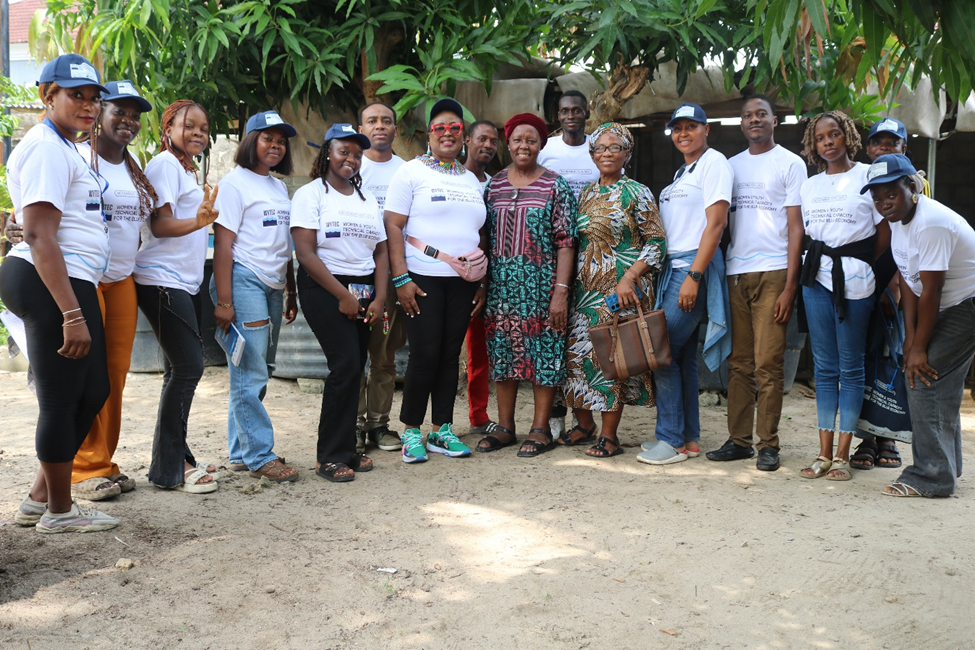
In a significant stride towards sustainable development, the African Marine Environment Sustainability Initiative (AFMESI) has joined forces with the Development of Ocean Technical Capacity with African Nations (DOTCAN) Institute of Canada to launch the Women and Youth Technical Capacity for the Blue Economy (WYTEC Blue) Programme. This transformative initiative is designed to build critical technical capacity among women and youth, positioning them at the forefront of Africa’s emerging Blue Economy.
The collaboration represents a strategic Pan-Atlantic partnership between AFMESI, a Pan-African NGO dedicated to healthy oceans and socio-economic growth, and the DOTCAN Institute, a Canadian (Nova Scotia-based) non-profit focused on co-developing ocean technology training connecting Canada and African nations.
A Historic Partnership
The journey began with the signing of a Memorandum of Understanding (MOU) between AFMESI and DOTCAN.
“The DOTCAN Institute (Development of Ocean Technical Capacity with African Nations), a Not-for-Profit organization based in Nova Scotia, Canada, seeks to co-develop cooperative training and business development activities in the areas of ocean technology and maritime security that connect entities, organizations, communities and individuals in Canada and in nations in West Africa belonging to the ECOWAS group.”
This agreement formalized a shared vision to bridge the skills gap in the maritime sector, leading directly to the commencement of the WYTEC Blue training programme. The partnership underscores a commitment to equitable marine environment protection and infrastructure development across the region.
Programme Launch & Initial Phase
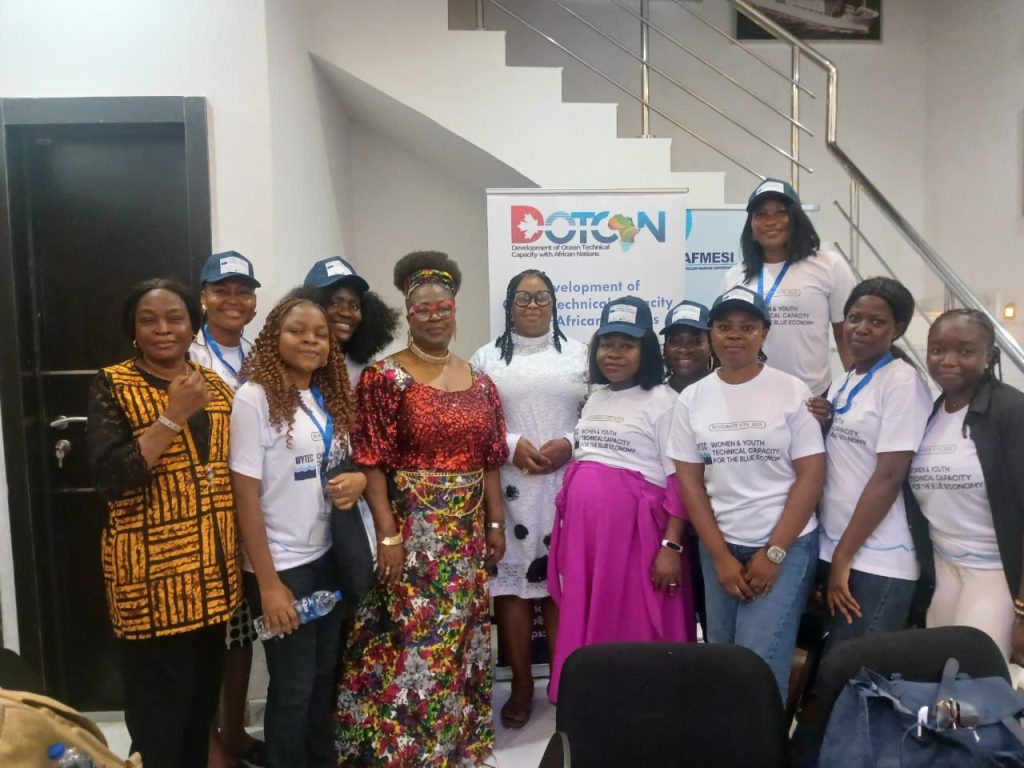
The programme was officially inaugurated on Saturday, November 15, 2025, at AFMESI’s headquarters in Lekki, Lagos. The hybrid opening ceremony connected participants across the Atlantic, featuring a welcome address from DOTCAN Executive Director Dr. Debany Fonseca Batista and a traditional territorial acknowledgement of the Mi’kmaq People.
Key stakeholders, including AFMESI’s President, Dr. (Mrs) Felicia Mogo, DOTCAN Co-Chair, Dr. Douglas Wallace, Ms. Chiamaka Mogo (AFMESI’s Executive Secretary), Mr. James Mathiang Riak of GOAL Sierra Leone, Mr. Adebissi Djogan of Initiative for Africa, and Prof. Bruce Hatcher of Cape Breton University, addressed the cohort. Sponsored by Fisheries and Oceans Canada, the launch introduced 20 selected Nigerian trainees to their counterparts in Sierra Leone and Canada.
Comprehensive Curriculum Delivered
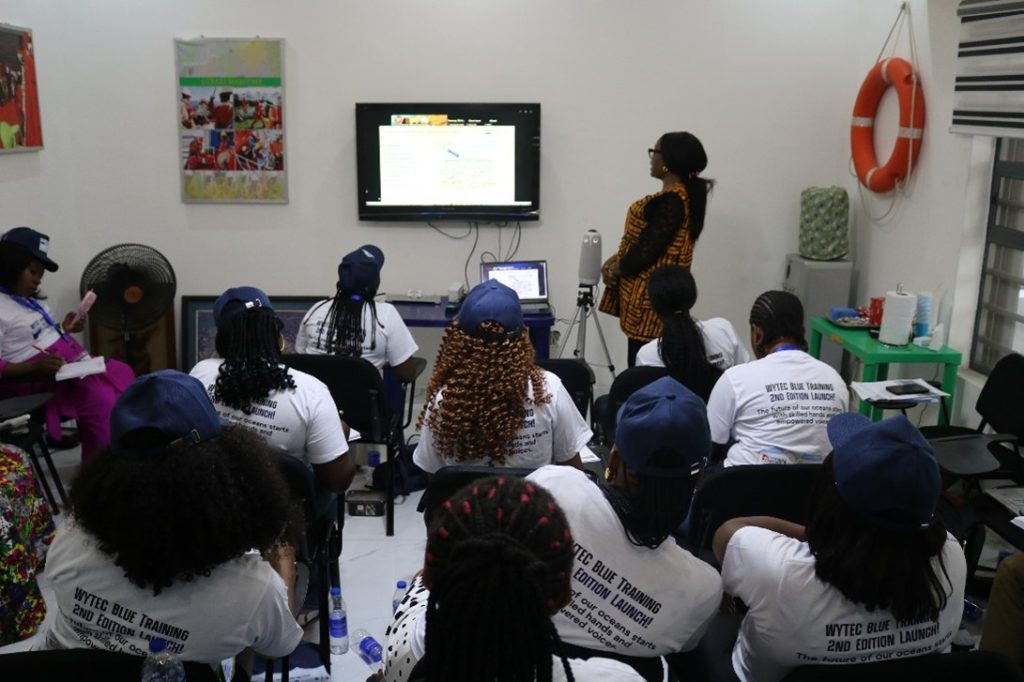
Since its inception, the programme has delivered an intensive curriculum covering essential aspects of the maritime domain: Ocean Science & Technology (OST), Blue Economy Enablers (BEE), and Leadership & Entrepreneurship (L&E) Sessions;
- Blue Economy Foundational Course: Led by Dr. Juliet Igbo and Dr. Alberta Sagoe, establishing the core concepts of the blue economy.
- Entrepreneurial Leadership: Facilitated by Khassim Samassa and Adebissi Djogan, focusing on vision development and business opportunity evaluation.
- Ocean Technology and Sensors: Instructor Stephan Kirchhoff introduced participants to in-situ measurements, remote sensing, and AUV technology.
- Maritime Safety vs. Security: Experts Stephan King (Canadian Coast Guard) and Col. Amara Saeed Kallon (Sierra Leone Navy) analyzed international conventions and regional security challenges like piracy.
- Design Thinking for Ocean Innovation: Mr. Stephen Kagwathi guided trainees through human-centered design methodologies to solve marine challenges.
- Coding and Data Management: Dr. Arnaud Laurent from Dalhousie University taught programming fundamentals essential for modern marine science.
2026 Resumption and Practical Fieldwork
Following a brief recess, the programme resumed with vigor on January 24, 2026. The new term began with a collaborative Group Integrated Project Design module, synthesizing theoretical knowledge into actionable projects.
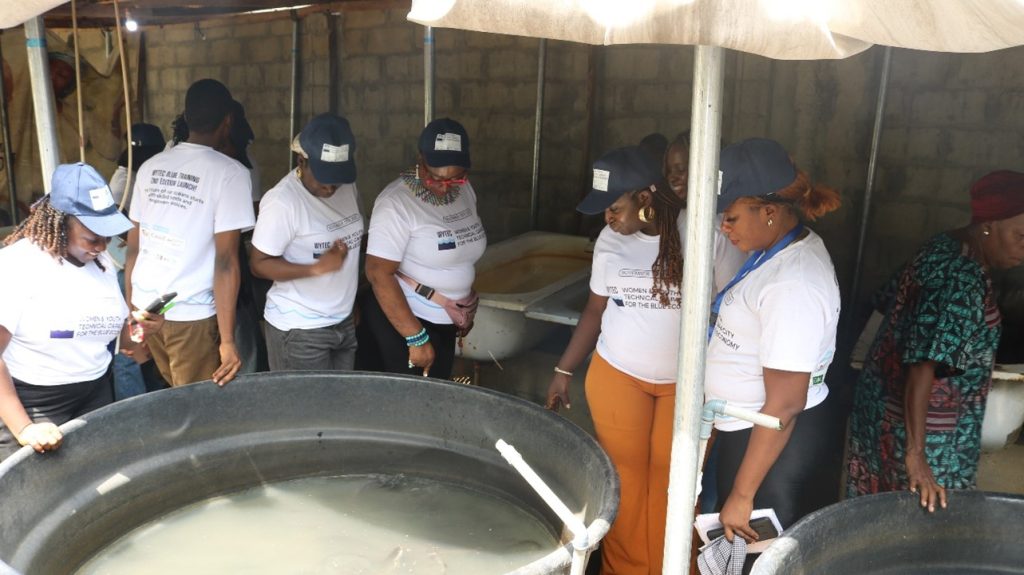
On Tuesday, February 3, 2026, the training moved from the classroom to the field with a comprehensive Aquaculture Field Visit. Serving as a capstone for the Sustainable Aquaculture module, this excursion allowed participants to observe industrial operations firsthand, bridging the gap between scientific theory and commercial reality.
“The WYTEC Blue program is not just about education; it is about empowerment. By equipping our women and youth with these technical and entrepreneurial tools, we are ensuring that Africa’s blue economy is driven by a skilled, local workforce.”
— Dr. (Mrs.) Felicia Chinwe Mogo, President AFMESI
Looking Ahead
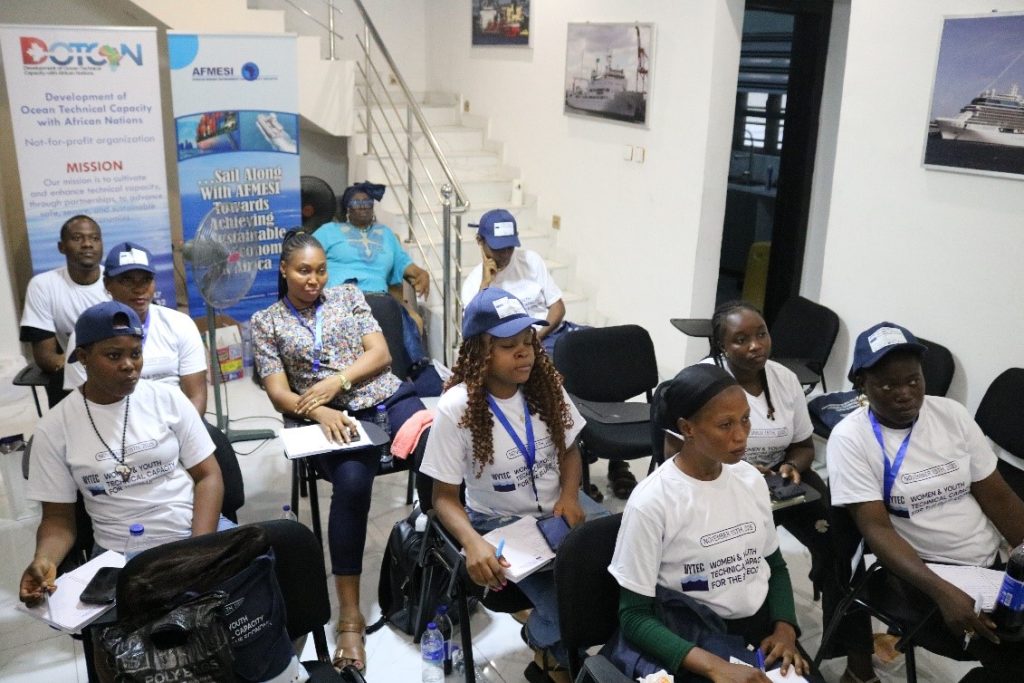
As the programme approaches its conclusion, the curriculum remains rigorous. The Ocean Science & Technology (OST) stream will cover Biological Data Collection and Ocean Floor Mapping, while the Blue Economy Enablers (BEE) stream will focus on Port Operations and Risk Management. Simultaneously, the Leadership and Entrepreneurship (L&E) stream will address Scaling Strategies and Financial Planning.
The initiative will culminate in a Closing Ceremony on Friday, March 7, 2026, featuring group project presentations and a post-training knowledge assessment.
Enduring Impact and Global Opportunities
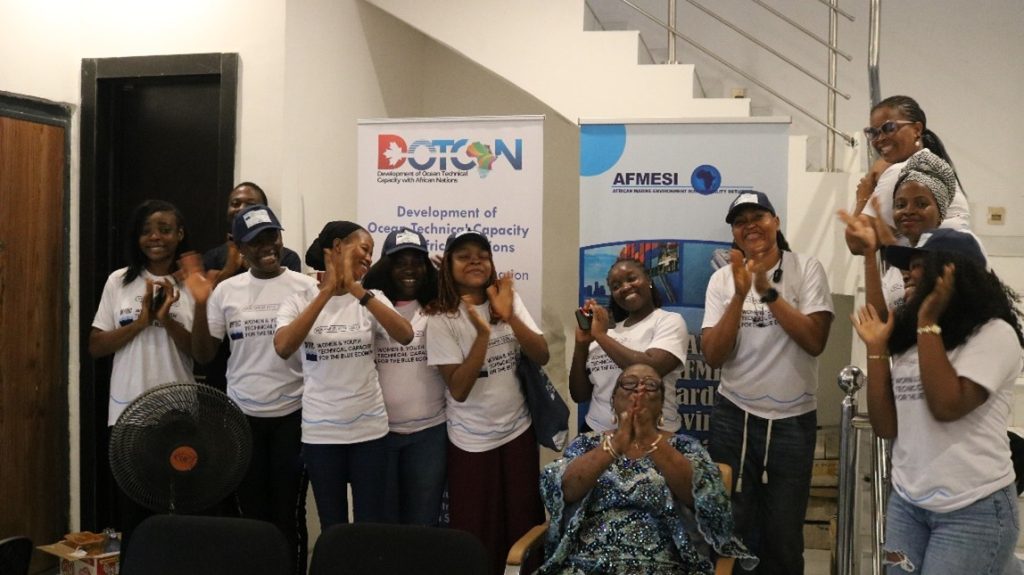
The WYTEC Blue Programme offers more than just a certificate. It provides advanced technical capacity, networking with international experts, and distinct career pathways in maritime trade, environmental advocacy, and offshore energy. Notably, outstanding participants may be eligible for an exchange programme to Canada, further deepening the cross-cultural and technical exchange.
By reinforcing Nigeria’s leadership in the regional blue economy and fostering an inclusive, science-informed workforce, AFMESI and DOTCAN are setting a new standard for development across the Atlantic.
For more information, visit www.afmesi.org or follow @afmesi on social media.
